The frequency of Canale 162 channel on all satellites

Canale 162 is a common Italian general amusement television channel that brings a rich variety of material to audience across Italy. As part of the vibrant Italian local and regional broadcasting landscape, it offers reports bulletins, cultural programs, lifestyle shows, documentaries, amusement, and community-oriented features that reflect daily life and interests of Italian audiences.
For satellite television audience in Italy, Europe, and the Italian diaspora, knowing the right satellite frequencies and technical settings is essential for obvious and uninterrupted reception. This comprehensive manualbook provides detailed information on Canale 162’s satellite transmission across accessible satellites, including precise tuning settings, entry methods, and practical guidance for audience.
Satellite range of Canale 162
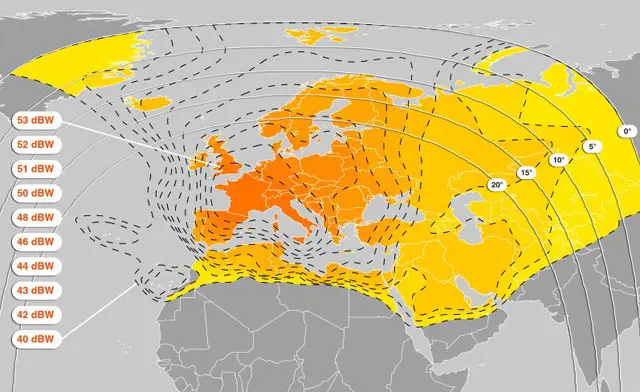
Canale 162 is primarily transmit via the Eutelsat 9B satellite at 9.0° East. This strategic orbital location delivers powerful and dependable range over the entire Italian peninsula, including urban centers, rural areas, and southern regions. The Italy-optimized beam ensures excellent transmission power, making satellite an ideal systembase for reaching audience where terrestrial electronic television (DTT) signals may be fragile or unstable.
Satellite transmission plays a key role in extending the channel’s reach to remote mountainous areas and allowing Italian communities living abroad in parts of Europe to stay connected with sharpness Italian-language programming.
Technical settings for Canale 162
To receive Canale 162 via satellite, audience need to enter the following precise technical settings. The main transmission is on Eutelsat 9B (9.0° East):
- Satellite location: 9.0° East (Eutelsat 9B)
- Frequency: 12341 MHz (or 12340.90 MHz)
- Polarization: Vertical (V)
- Symbol Rate: 31400 kS/s
- Modulation: DVB-S2 16APSK Multistream (typically Stream 36)
- FEC: 2/3
These optionsmenu are critical for locking onto the right relay. Due to the use of multistream technology, some receivers need handbook stream choicepick (Stream 36) during scanning. wrong settings, such as wrong polarization or failure to select the proper stream, can outcome in no transmission, pixelation, or decoding errors. Your equipment must assist DVB-S2 with 16APSK modulation for steady reception.
Note on other satellites: Canale 162 is currently transmitted mainly on Eutelsat 9B. It does not have working widespread feeds on other major positions such as Hotbird 13°E or Astra at this time. Always verify the latest updates, as satellite frequencies can change.
entry and Encryption
Canale 162 is transmit in obvious (FTA – Free To Air) on its main relay. No subscription, smart card, or conditional entry module is needed. This open transmission makes the channel freely accessible to anyone with a properly aligned antenna pointed at 9.0° East and a compatible satellite equipment.
It frequently shares the relay with other Italian channels (such as Channel 24, Rete Italia, TV 153, and Gold Invest TV), allowing audience to discover additional material through a single find.
Programming and material Focus
Canale 162 delivers a well-balanced mix of programming designed to appeal to a wide Italian audience:
- Daily reports and present affairs
- Entertainment and variety shows
- Cultural and lifestyle documentaries
- Community events and regional stories
- General interest topics covering health, society, and everyday life
The channel maintains a friendly, accessible tone that strengthens its link with local audience and supports Italian cultural identity.
Importance of Satellite Reception
Satellite remains a vital reception technique for Canale 162 because:
- It provides dependable range in areas with poor or no DTT utility.
- It offers steady elevated-sharpness signals independent of local wire or internet infrastructure.
- It enables Italian expatriates across Europe to entry home-country programming easily.
For many households in rural or hilly parts of Italy, satellite is often the most dependable way to enjoy Canale 162 and similar local channels.
Challenges in Satellite Reception
Viewers may face a few common challenges when tuning Canale 162:
- antenna positioning: precise pointing toward 9.0° East is essential; even slight misalignment can cause transmission loss.
- Multistream assist: The equipment must handle DVB-S2 16APSK multistream and permit handbook stream choicepick.
- equipment suitability: present equipment supporting advanced modulation is required for obvious decoding.
- Parameter Updates: Frequencies and streams may change occasionally; regular checks on trusted sources like LyngSat or KingOfSat are advised.
- transmission power: In fringe areas, a larger antenna (80 cm or more) may be necessary for uniform reception.
Overcoming these challenges ensures a smooth and enjoyable viewing experience.
Future of Canale 162 Satellite Broadcasting
Regional Italian channels like Canale 162 continue to adapt to the evolving media environment:
- Potential transition to higher resolution (HD upgrades) for improved picture sharpness.
- Closer integration between satellite and online streaming platforms.
- Optimization of satellite beams for even better range and efficiency.
- Adoption of advanced transmission technologies to enhance viewer satisfaction.
Satellite broadcasting will likely remain important for local channels, especially in regions where broadband entry is limited or unreliable.
Practical Tips for Viewers
To complete the best reception of Canale 162 via satellite, follow these recommendations:
- Align your antenna precisely to 9.0° East using a professional satellite finder or dependable mobile app.
- Use a present DVB-S2 equipment that fully supports 16APSK modulation and multistream.
- Perform a handbook relay find and select the right stream if the channel does not appear automatically.
- Keep your equipment firmware and channel list up to date.
- notice transmission sharpness (especially C/N ratio) after bad weather or antenna movement.
- In most parts of Italy, a 60–80 cm antenna provides good results; larger dishes enhance efficiency in distant locations.